Cry Macho (Clint Eastwood, 2021)

Cry Macho is not a great movie, but Clint Eastwood is a great director and a great star, one of the few filmmakers left in mainstream Hollywood allowed to make his own films whatever way he wants to make them and that is more than enough to make it a good movie. Eastwood plays a wizened ranch hand who gets sent to Mexico to bring back his boss Dwight Yoakum’s 13 year old son. Not much about this early part of the film makes sense: the world around the kid is more fake than the baby in American Sniper, and the mother is one of Eastwood’s more hysterically misogynistic portraits of a woman, incoherent and slutty and drunk and cruel and also somehow rich and powerful. She’s of course contrasted with the maternal Marta who Clint and the kid get sidetracked with on the way home, a loving grandmother and excellent cook who always looks at this broken down old man with bright adoring eyes.

This section of the film, where Clint and the boy hide out from the cops in a dusty town that time forgot, seems to be Clint’s ideal place. He sleeps in a shrine, helps out the locals with their various animal troubles (apparently no one else in this rural community knows how to do anything with animals??), and is fed fine food by charming and attractive women. And honestly, it is a delight to see the man enjoying his eden. Who wouldn’t want it all? The idyll ends, of course as it must, and the two make their way back to the border, though not before being waylaid by some cops who think they’re running drugs. As one of them trashes Eastwood’s car (the third one he drives in the film, a delightful running gag), he keeps up a steady stream of muttered profanities about these “asshole, idiot, loser cops”, a reminder that Eastwood’s conservatism, whatever its faults, and there are many, has always been deeply anti-authoritarian.

They’re saved, of course, by the rooster that gives the film its title (“a cock named Macho”, Eastwood helpfully explains one of the films better jokes). This pullum ex machina is one of the more artful expressions of the film’s examination of masculinity, the primary theme of Eastwood’s career, especially in its later phase (an era that’s been going on for at least 30 years now). What does being a man mean for Clint Eastwood? Does it mean telling the cops to go to hell and poking your enemies in the eye and finding a woman to bring you coffee in the morning and avoiding the cheap ones who try to seduce you? Or is all that nonsense, made-up posturing that sad lonely people build up around themselves as a defense against the terrifying, incoherent world? The great thing about Clint Eastwood is that he honestly doesn’t know the difference.

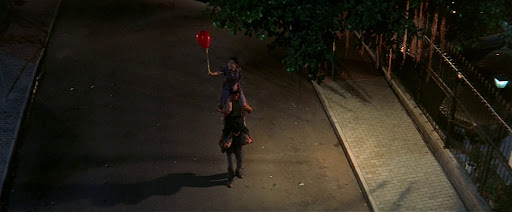
Early in the film, on Eastwood’s journey into Mexico, he camps out rather than stay in a hotel, as any real cowboy would. The camera catches him bunking down for the night in the final moments of sunset, purple sky above deep black. We only see his silhouette, it’s too dark for anything but shadow, as he sinks down to the ground, below the horizon, a movie star merging with the earth.

The Seattle Screen Scene Top 100 Films of All-Time Project

When the new Sight & Sound poll came out in 2012, Mike and I each came up with hypothetical Top Tens of our own. For the next few years, we came up with an entirely new Top Ten on our podcast, The George Sanders Show, every year around Labor Day. The podcast has ended, but the project continues here at Seattle Screen Scene.

The idea was that we would keep doing this until the next poll comes out in 2022, by which time we would each have a Top 100 list (well, 98 for Mike because he had a couple of repeats one year). That time is now. Here are our final Top Tens of the project. At letterboxd you can find our complete individual lists, as well as our joint Top 198.

Here are Mike’s Top Ten Films of All-Time for 2021:

1. The Quiet Man (John Ford, 1952)

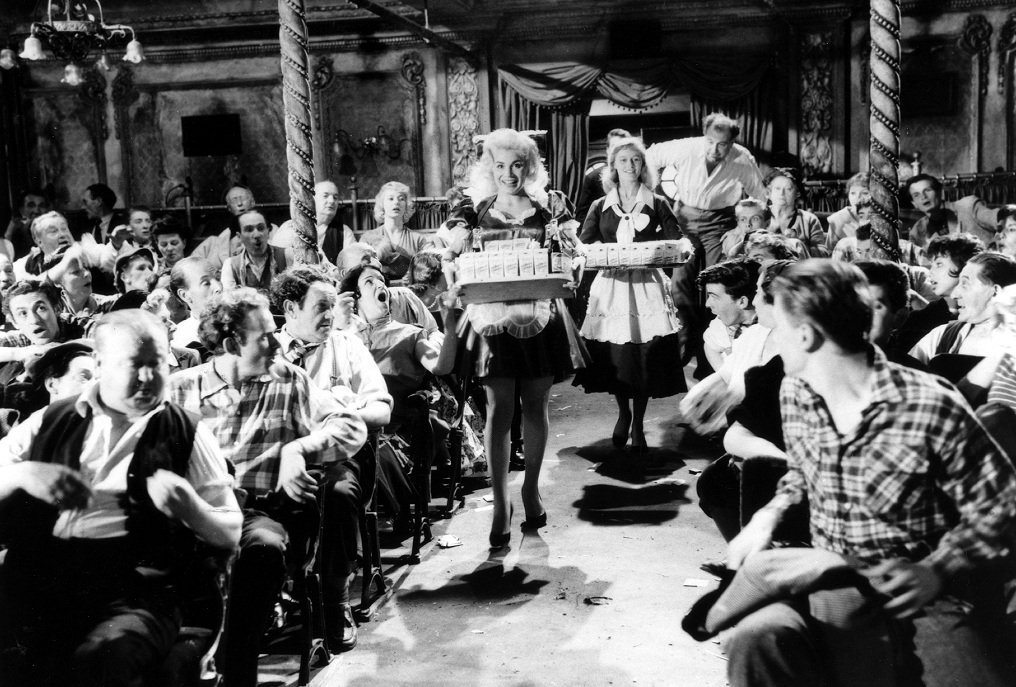
2. The Smallest Show on Earth (Basil Dearden, 1957)

3. Private Property (Leslie Stevens, 1960)

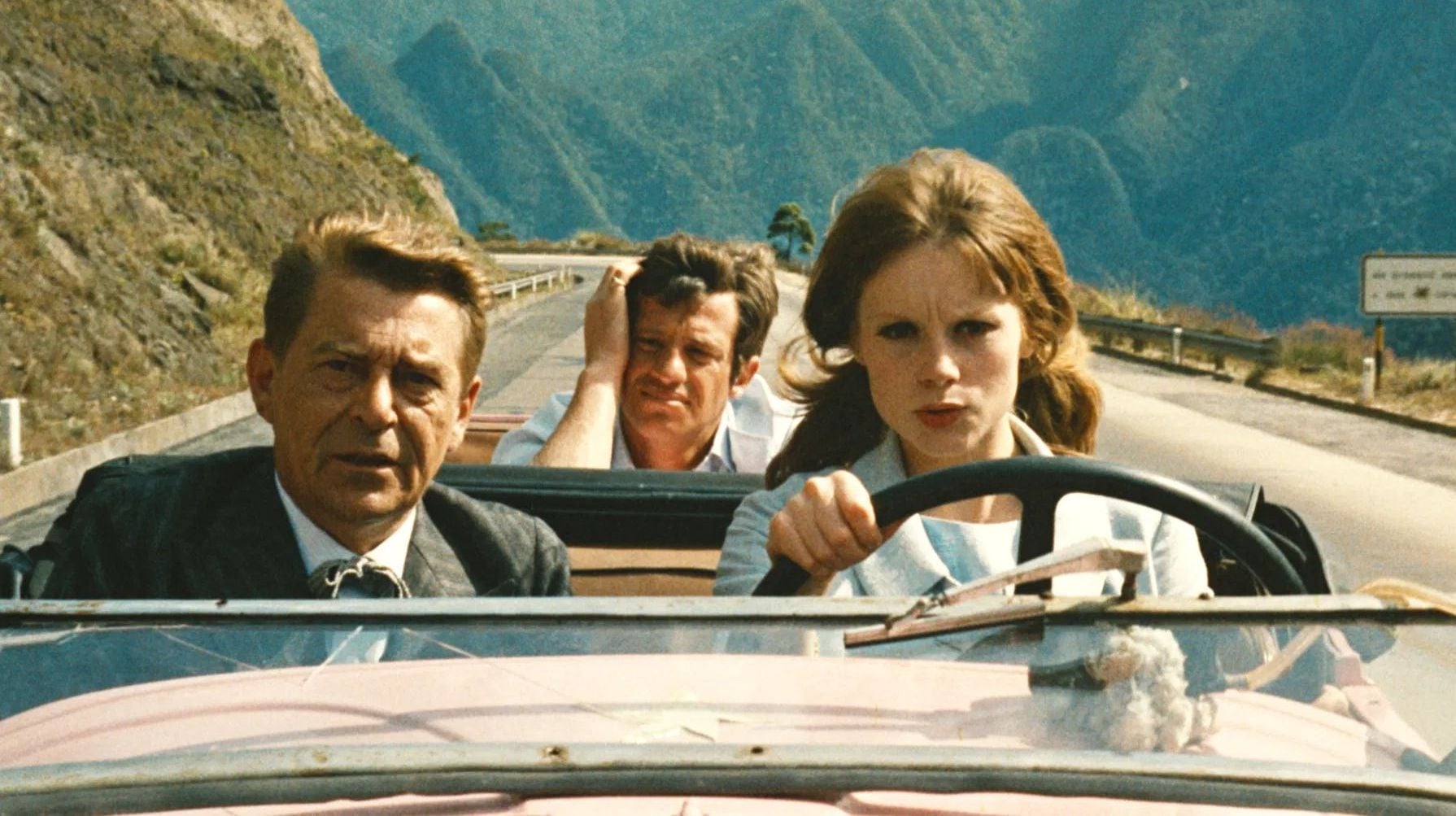
4. That Man from Rio (Philippe de Broca, 1964)

5. Uptight (Jules Dassin, 1968)

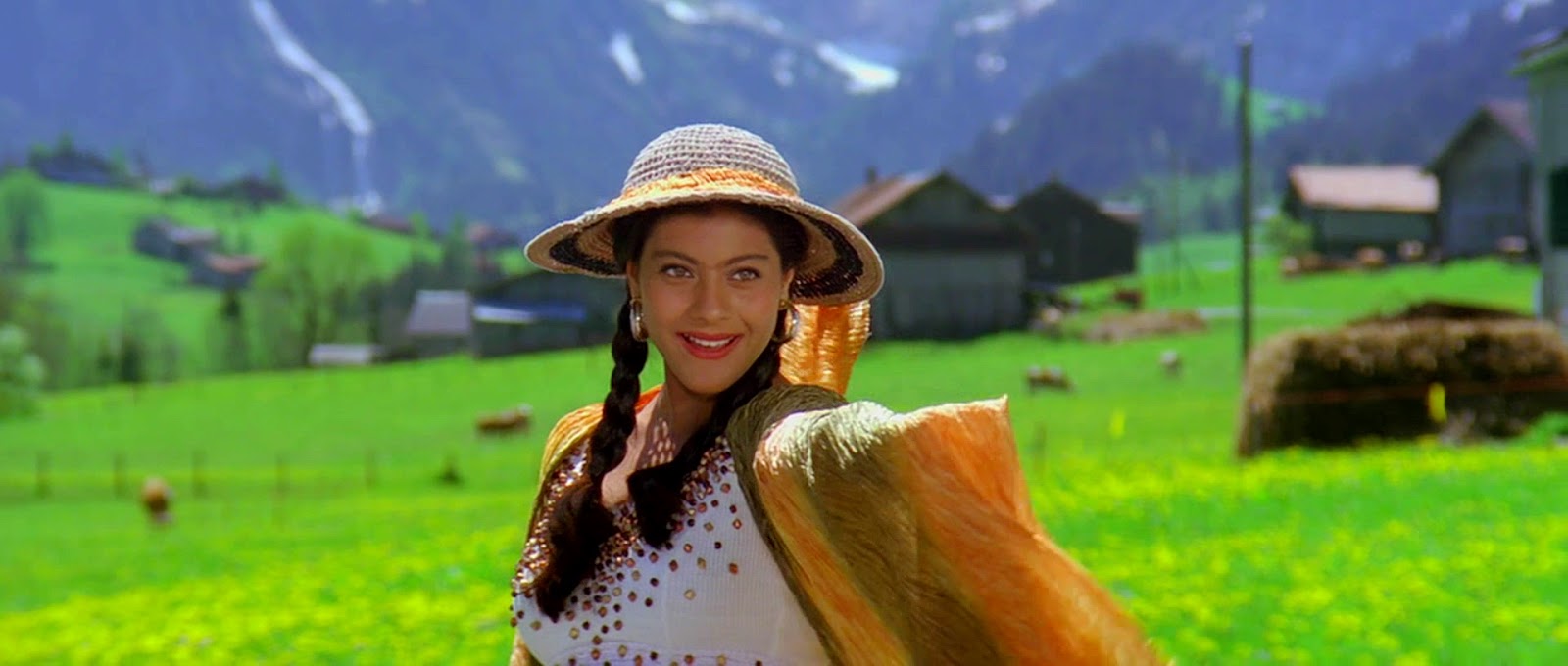
6. Dilwale Dulhania La Jayenge (Aditya Chopra, 1995)

7. Morvern Callar (Lynne Ramsay, 2002)

8. Sparrow (Johnnie To, 2008)

9. Alan Partridge: Alpha Papa (Declan Lowney, 2013)

10. The History of the Seattle Mariners (Jon Bois, 2020)

And here are Sean’s Top Ten Films of All-Time for 2021:

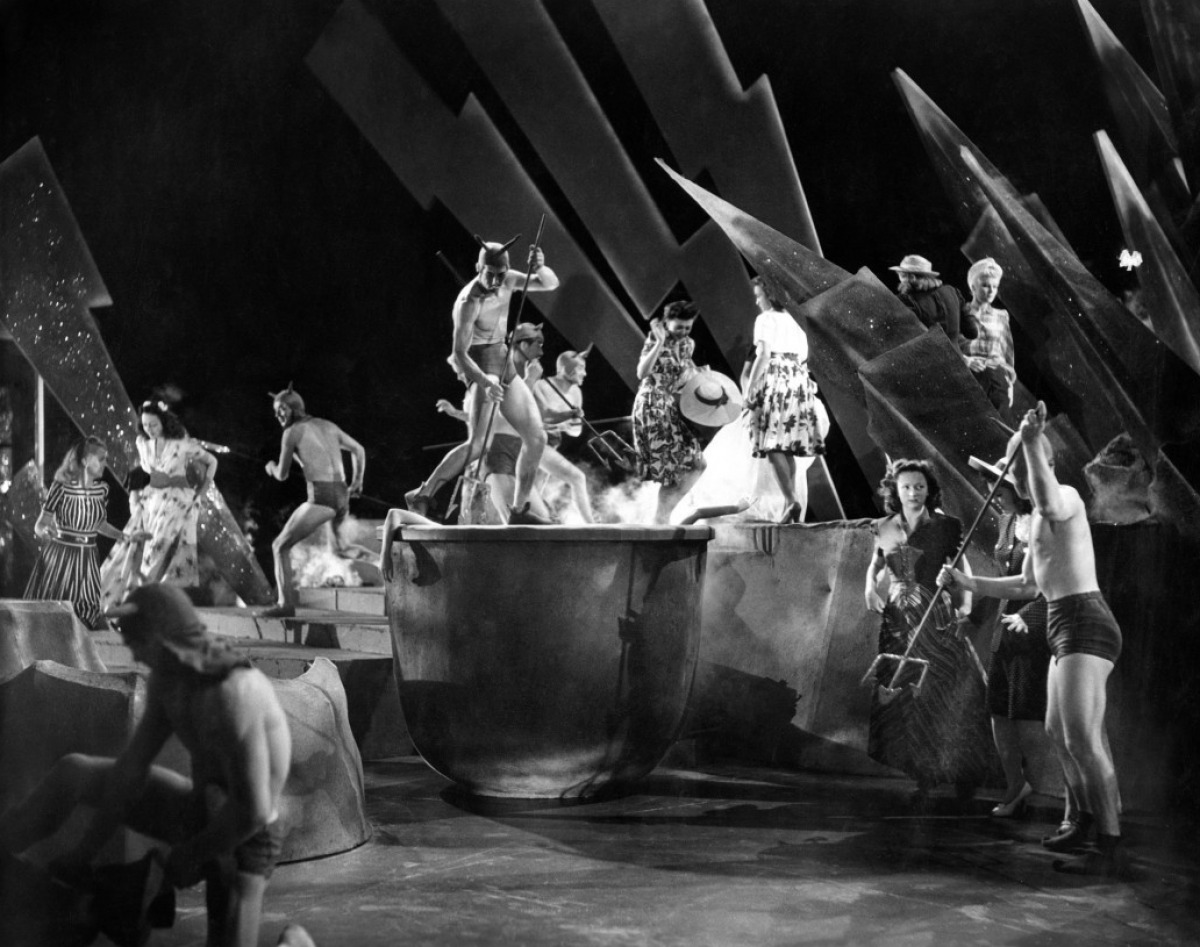
1. Hellzapoppin’ (HC Potter, 1941)

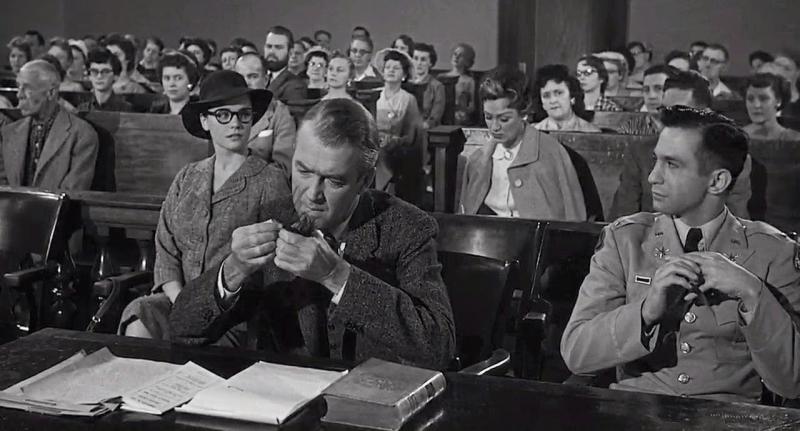
2. Anatomy of a Murder (Otto Preminger, 1959)

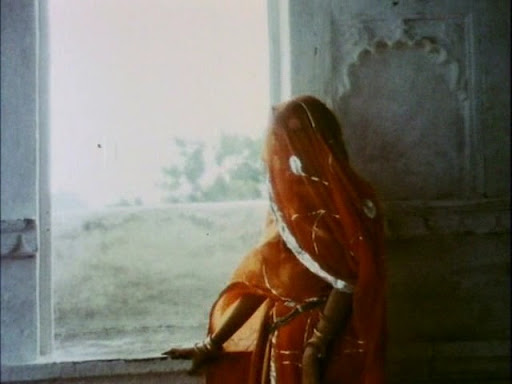
3. Duvidha (Mani Kaul, 1973)

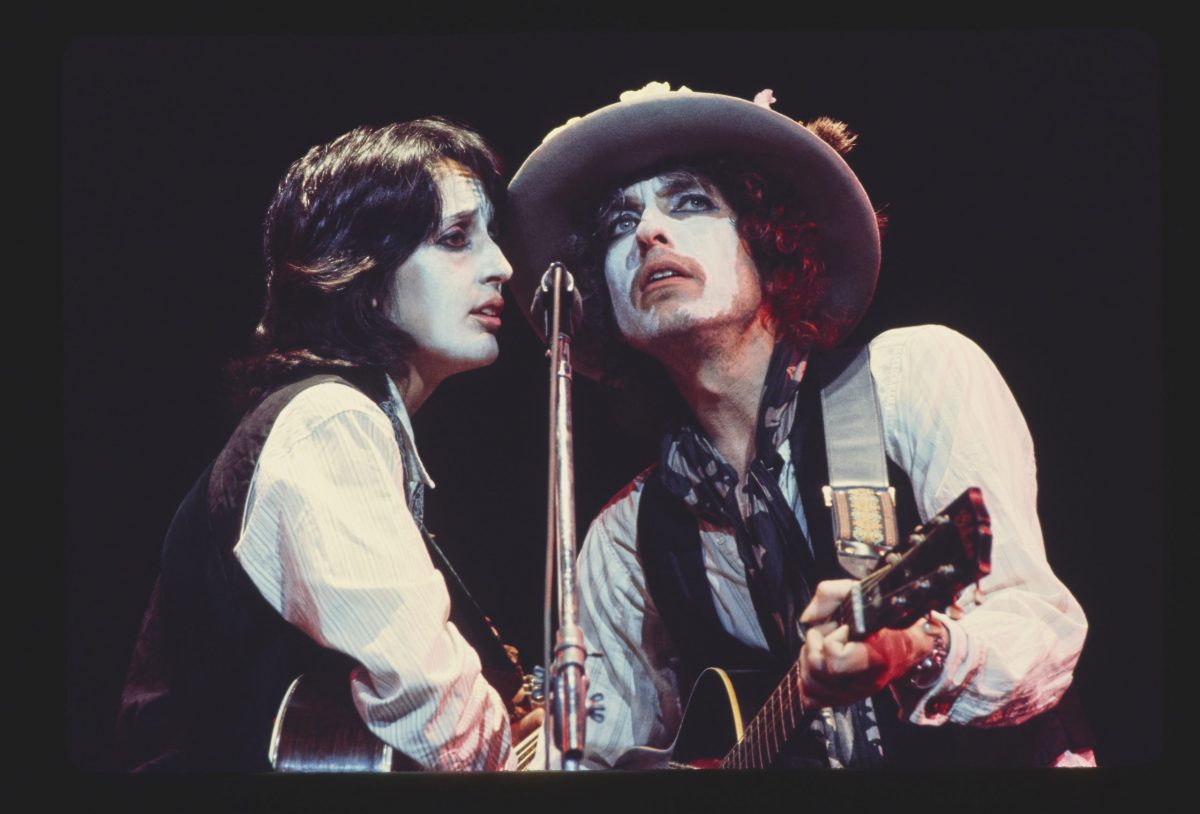
4. Renaldo & Clara (Bob Dylan, 1978)

5. His Motorbike, Her Island (Obayashi Nobuhiko, 1986)

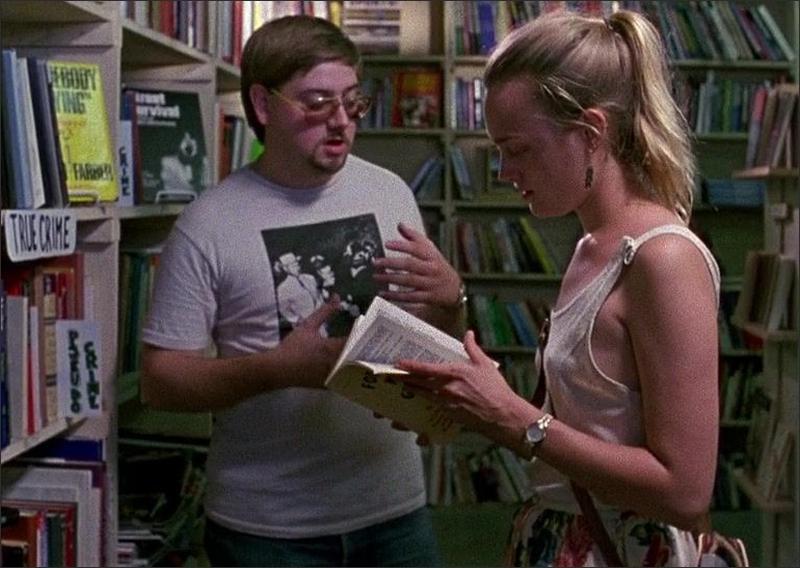
6. Slacker (Richard Linklater, 1990)

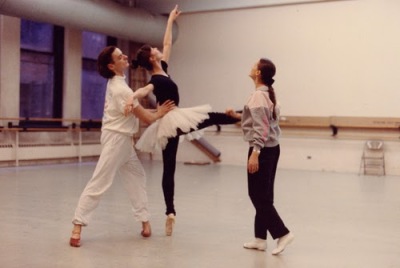
7. Ballet (Frederick Wiseman, 1995)

8. Goodbye, Dragon Inn (Tsai Ming-liang, 2003)

9. Throw Down (Johnnie To, 2004)

10. Claire’s Camera (Hong Sangsoo, 2017)

The Green Knight (David Lowery, 2021)

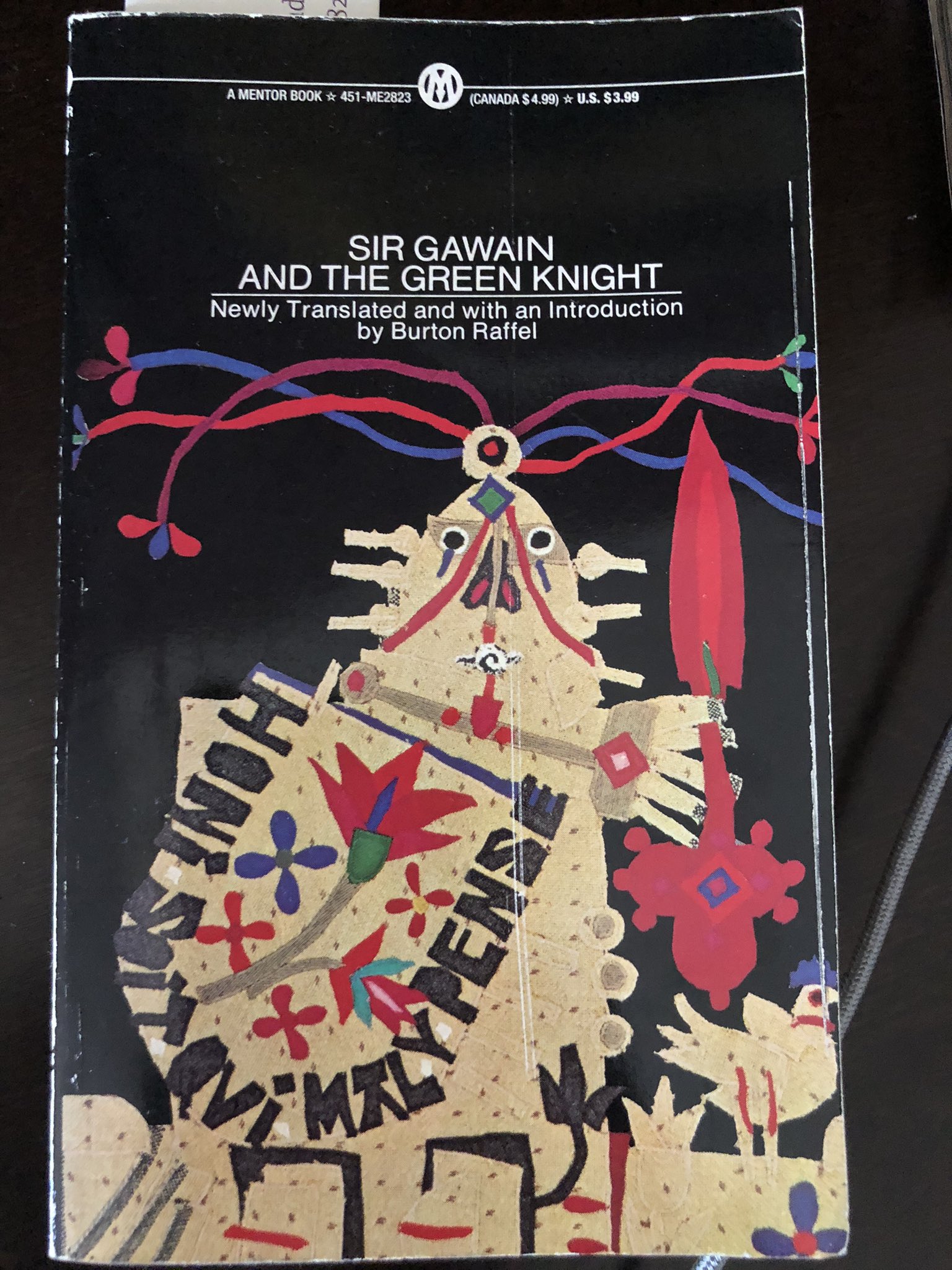
I read Sir Gawain and the Green Knight yesterday. The 14th century poem of unknown authorship that was the inspiration for David Lowery’s latest A24 fantasy film. The film isn’t really an adaptation, or, God forbid, a “reimagining” but a translation of the older epic into contemporary form. Where the Gawain poet’s world is suffused with color, courtly ritual, subversive wit, and Christian allegory, Lowery’s demands stories about flawed but ultimately righteous heroes played by recognizable but not too-recognizable performers navigating a perplexing world of desaturated colors and shadowy interiors. Modern Hollywood filmmaking demands a degree of ambiguity, in that the movies must be able to support a variety of readings, either to satisfy the needs of word-of-mouth promotion (often by inspiring outrageous takes, pro and con, online) and repeat viewings and purchases (theatrical, home video and streaming), or avoid any kind of potential political minefields from right or left by promoting either a blandly vague centrism or by merely presenting a self-contradictory and incoherent text. This applies as much to blockbuster filmmaking (the Disney complex and the films of, say, Denis Villeneuve) as it does to the pseudo-indie films of fashionable distributor A24. All of which is to say that I quite like Lowery’s The Green Knight. It’s a great example of the kind of thing that it is. Look at it as a Daniel Lanois production, swampy and mysterious, with echoes of the old and weird but not quite the real thing. The poem, though, is the thing itself. Not the patina of weird but simply weirdness that sneaks in sideways through the margins of the seemingly familiar and ancient. The Basement Tapes to the film’s Time Out of Mind.

Fitting the medieval poem into a modern idiom requires a great many changes. Gawain in the poem is an upstanding young man who strictly follows the chivalric code of honor for almost the entire story. A somewhat pompous but well-liked figure who is hailed as a hero wherever he goes. Gawain in the film is a callow youth, inexperienced in war and not especially competent at questing. The people he meets on his journey condescend to him, when they aren’t outright stealing from him and leaving him for dead in the wilderness. While the text of many a classic epic expounds of the virtue and honor and ideality of its hero-figures, they tend to be exactly the kind of dumb boys Lowery and star Dev Patel present in the film (think Achilles and his petulance, Gilgamesh and his temper tantrums, the Pandava princes continually making bad deals with their evil brothers over and over in the Mahabharata). One suspects that the true flavor of these oral tradition poems is lost a bit on the page, though in Burton Raffel’s translation of The Green Knight one can almost hear the troubadour winking at the audience as he expounds on Gawain’s virtue.

If The Green Knight is, in many ways, a very silly poem, the scenario it depicts is rife with potential meanings. It is, as they say, a very rich text. A monstrous green giant shows up at King Arthur’s Christmas celebration and challenges any of his knights to trade a blow with him. Whatever he receives he will give back in exactly one year. Gawain, out of nobility in the poem and from a desire to prove himself in the film, accepts the challenge and promptly chops the guy’s head off, assuming, reasonably enough, that a dead man won’t be able to return the blow. But when the knight simply picks his head up and remounts his horse, telling Gawain he looks forward to their next meeting, the consequences of Gawain’s rash decision become clear. His doom is now ensured: in one year he will either lose his head or his honor.

In both versions of the story, Gawain lives it up for almost a year and then heads on his way. The poet tells us he had many adventures along the way, but skips them in order to get to the end, where the knight finds a remote castle run by a mysterious man and his wife. The film fills out the story with two adventures, one in which the hapless Gawain is robbed blind by commoners and another where he helps St. Winifred regain her severed head. The former reinforces Gawain’s youthful incompetence and strips him of the privileges of class and power. The second adds to the severed head motif, fuel for essays exploring the film’s depiction of mind/body duality, or the conflict between rationality and earthly spirituality, or what have you. Mostly it adds to the dreamy vibe that Lowery hopes to establish with his long pans and eerie music, as does a brief sequence where Gawain espies a group of indifferent giants walking among the clouds. The Gawain of the film is desperate, lost, confused, and alone, sentenced to death for reasons he doesn’t quite understand but is compelled to follow nonetheless. Where the poem Gawain is aspirational, the film Gawain is relatable. He is all of us.

The castle sequence is largely unchanged, though Lowery makes a modestly perplexing decision regarding the casting of his lead actress, Alicia Vikander in a dual role as Gawain’s peasant girlfriend back home and also the lady of the castle. The casting implies that the two are possibly the same woman, or that Gawain sees all women he’s attracted to the same, or that one or both of them are figments of his imagination. The poem gives the occupants of the castle a dual role as well, but as the Green Knight and Morgan Le Fay, witchy half-sister of King Arthur who enchanted her husband in order to spook Queen Guinevere and only by accident provided a quest for our hero. The film has a Morgan as well, but makes her Gawain’s mother (Gawain is Arthur’s nephew in both poem and film, but his mother is unnamed in the poem. In many sources, his mother is Morgause, Morgan’s sister, though it’s important to keep in mind that this was all made-up stuff interweaving centuries of multicultural traditions and not designed by a corporation with a staff designated to track continuity). In the film, Morgan conjures the Green Knight seemingly as a way for her son to accrue some credibility points as a knight in order to bolster his future claim to Arthur’s throne. One can then take the story as a tale of helicopter parenting gone horribly wrong when Gawain’s rash beheading sentences him to premature death, or conversely as a mother’s elaborate scheme to scare the hell out of her boy so that he shapes up at stops being such a hedonistic fail-son.

Either way, both film and poem end with Gawain’s confrontation with the Green Knight and his having to make a choice about how he will face death. Gawain has been given a belt he believes will save him from the demon’s axe (whether it’s actually magical or not is ambiguous in the text, left up to how the bard chooses to deliver it). In both versions of the story Gawain flinches, despite the belt, at the first swing, but ultimately removes the belt and chooses to face his death. In the film this is preceded by a long montage where Gawain imagines how his life would play out if he cheated death and ran away, what his future would be like knowing he has acted dishonorably. It conjures memories of Martin Scorsese’s Last Temptation of Christ, and equates Gawain’s dilemma to Jesus’s own: willingly submitting to your own execution in the belief that it will make a world a better place (through sacrificial redemption of humanity’s sins or simply by not having a crummy king on the throne of Camelot). The poem ends with the reveal that it was basically all a prank, that the Knight and Morgan were just goofing around, but Gawain has proven his great virtue and honor nonetheless. The film ends, as it must, more ambiguously.

Jungle Cruise (Jaume Collet-Serra, 2021)

The impersonal, it’s been said, is essentially demoralizing. Of late, when referring to studio productions, this problem has morphed from an identifiable illness into a powerful malaise. Disney, the creature with five studio heads, is often identified as the source of much of this trouble. One way to deal with the trouble is to consider the corporation a gorgon like Medusa and avoid all eye contact. After all, because their franchises operate with TV-style templates (and so then, too, do their imitators’), an individual movie’s artistic failure is ultimately predictable. Plus it saves time. 

Jaume Collet-Serra’s direction of Disney’s Jungle Cruise is then a minor complication (or an interesting case-study). He’s the first auteurist cause célèbre to make a movie for the company since Sam Raimi back in 2013 (one that until recently appeared to be a career-ender). Some might neatly choose the perspective of the forest over the trees and call the careerist move a defection: a good director gets fired by these guys, a great one never gets considered for the job, and you know what that says about the ones who turn in the assignment on time. The only problem I have with this standard would be that it frees the work from examination: in this case, does everything Disney touches turn anonymous, and everything before remain the reliable work of a B-movie master?

Collet-Serra’s imprint is not hard to find in Jungle Cruise. A throwaway line of dialogue references the major reveal in Orphan. A flashback to the creation of a riverside town gets a time-lapse reminiscent of, though less moving than, the one that opens The Commuter. Horror stylization accompanies a meeting with the dead and a romantic scene’s banal dialogue is flashed into silence by the presence of a Super-8 camera. Old collaborators are still around, including editor Joel Negron and cinematographer Flavio Labiano, and an early sequence plays like a parody of the Royal Geographic Society scenes in The Lost City of Z, perhaps because the two films share a production designer in Jean-Vincent Puzos. Collet-Serra is not absent then, but he seems content to supply minor details and relinquishes major choices. His Liam Neeson collaborations are no Ranown cycle, but the way they operate is by tying their perspective to Neeson’s characters’ tortured instincts, and surrounding him with an extremely well-defined and confined world. (The same holds true for the protagonists played by Vera Farmiga and Blake Lively in the genre films made just before and after this collaboration.)

It’s an omen, then, that the director of Non-Stop and Run All Night is here along for a mere cruise. The amusement park ride is evidently the progeny of John Huston’s The African Queen, but whatever inconsistencies Huston allowed into his films, one could say that he would never err in making the boat the star focus. And this is Collet-Serra’s weakness: an inability to personalize the deficiencies of the material around him, a mistaken sense of where the talent lies in this film. The blockbuster scale isn’t an odd fit for him just because it scales up compromises of control, but because it requires him to centre his focus on rigid uplift. Collet-Serra is never more in his element than when he’s charting the concentration afforded by cruel traps, and consequently at his least convincing when he’s too eagerly providing an escape mechanism — as in the Spartacus moment at the end of The Commuter. Here, the premise of the movie is that everyone is, after minimal adjustment to a new setting, happy with their lot (even though the setting is Brazil during WWI).

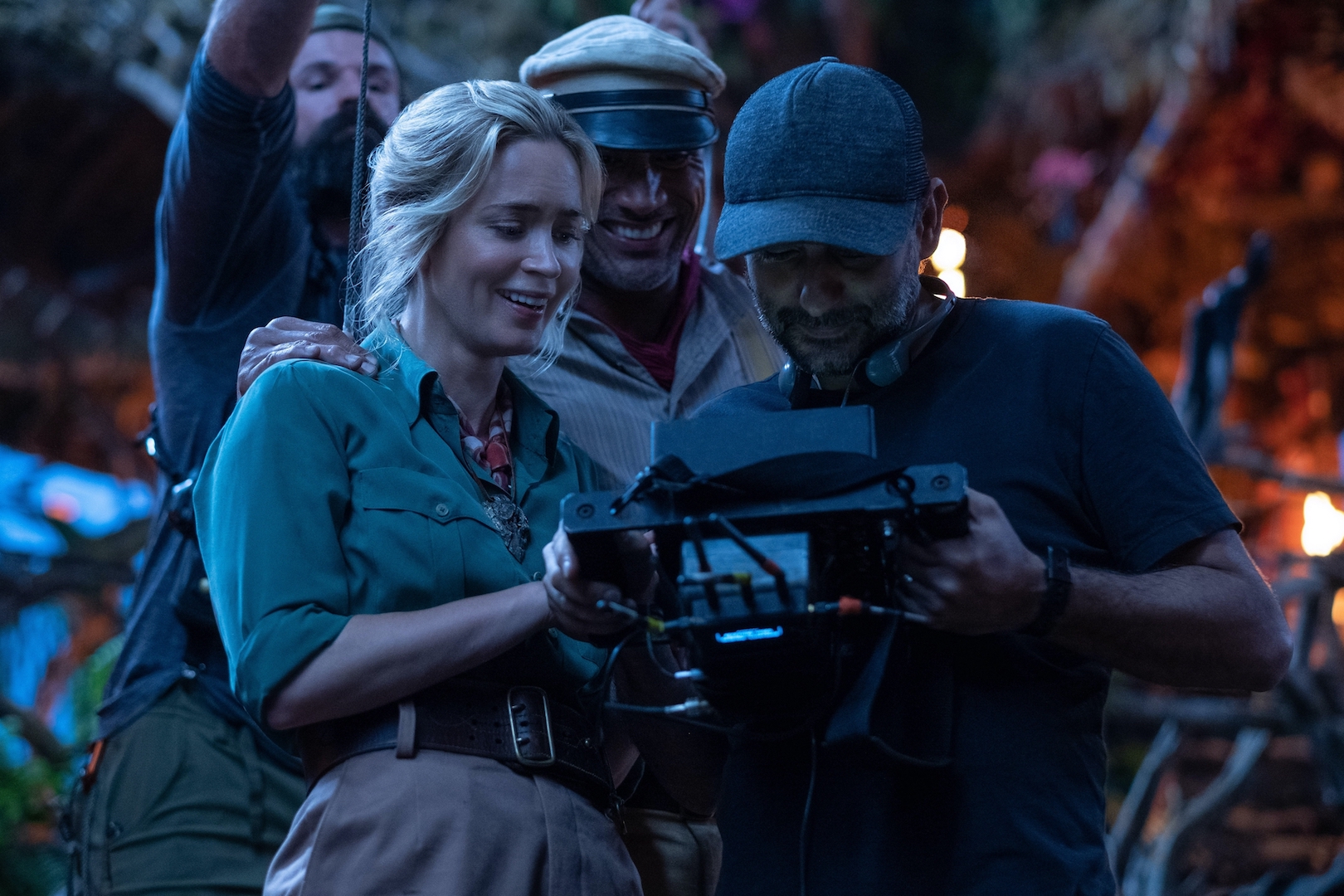
This mismatch suggests an opening filled by other candidates for authorship of this movie. In one corner, the producers who want it to double as an Indiana Jones or Pirates of the Caribbean franchise-starter. In another, the many hands who push for interchangeable coverage options and demand that no fewer than one hundred thousand CG frogs, bees, snakes, and sea creatures must appear onscreen. And finally, and maybe most critically, there is Dwayne Johnson. Johnson, also a producer, is an intensely vapid screen presence, a quality other directors have done well to notice (Kelly in Southland Tales, Bay in Pain & Gain). Collet-Serra, instead, assumes Johnson and Emily Blunt (the hero figure of the film, though she’s denied much of a protagonist’s role), are up to the tasks of any other star. He can wear a costume evocative of Bogart’s and convey the passage of centuries; she can be Harrison Ford and Karen Allen. The film is constructed to hit the beats of its internal logic: it’s all of these reference points, and the deadly important errand-running of Star Wars too. Collet-Serra’s acceptance of this logic means he ends up looking like any other director.

Black Widow (Cate Shortland, 2021)

Long overdue for reasons ranging from garden-variety studio sexism to serial pandemic-related delays, Black Widow is a top-tier entry in the Marvel Cinematic Universe. It earns a place alongside the likes of Black Panther (2018), Thor: Ragnarok (2017), and Guardians of the Galaxy (2014) for its vividly imagined world, whiz-bang action sequences, muscular direction, and terrific screenplay (written by screenwriters Jac Schaeffer, Ned Benson, and Eric Pearson, in collaboration with director Cate Shortland and performers Scarlett Johansson and Florence Pugh). More significantly, Black Widow also has real heart (in its heroine and in the broken, bonkers found-family at its center) and a compelling feminist theme—one that raises the stakes in the film considerably.

Continue reading Black Widow (Cate Shortland, 2021)”

Demon Slayer: Kimetsu no Yaiba the Movie: Mugen Train (Sotozaki Haruo, 2020)

The highest grossing film in the world in 2020 was, for the first time since people have been tracking such trivia, not an American movie. It was a continuation of an anime television show about a teen-aged demon slayer set a hundred years ago, in Taisho-era Japan. The Demon Slayer movie has made well over $400 million thus far, easily surpassing Spirited Away to become both the highest-grossing anime and the highest-grossing Japanese film ever made, and the popularity of the series has rocketed the manga on which it’s based (which began in 2016) to become one of the most popular of all-time as well. It’s not hard to see why: the series is slick and bright, with exciting action sequences and compelling world-building, alongside an unabashedly earnest emotional core. That heartfelt sense of compassion is about the only thing that Demon Slayer has in common with the best anime films of recent years (Yamada Naoko’s Liz and the Blue Bird and A Silent Voice, Shinkai Makoto’s Your Name and Weathering with You, Yuasa Masaaki’s Ride Your Wave), and it distinguishes it from the kind of cynical pandering that characterizes so much of the American superhero work with which it shares certain generic similarities. The result, popular as it obviously has been in Japan, seems ill-suited to the US market: too formulaic for the slice-of-life anime fans, too openly decent for those with an unhealthy fixation on Disney’s intellectual property.

The movie doesn’t do much to contextualize the story, instead assuming that we’re all familiar with the characters and mythology that has been built up thus far across the 26 episodes of the show. In a nutshell: teen hero Kamado Tanjiro comes home one day to find that his entire family has been murdered by demons, all but his younger sister Naoko, who has been turned into a demon herself. The demons function or or less like vampires: they need to feed on human flesh, you become one by drinking their blood (well, one specific demon’s blood), and you can only kill them with sunlight or by chopping off their head with a special demon-slaying sword. The demons become stronger the more humans they consume, eventually developing strange magical powers that make every one of them unique. This accounts for some of the most clever aspects of the series: one demon rearranges the rooms in the house he lives in by beating a drum; another uses spider webs to manipulate humans like marionettes; a third dissolves into a swampy black pool that sucks unsuspecting victims underground. Tanjiro trains to become a demon slayer in order to find a way to turn Naoko back into a human, while she refrains from eating any humans and is eventually accepted as a kind of adjunct to the demon slaying corps.

The first season (the second is set to air sometime this year) follows Tanjiro as he learns various breathing and sword techniques and fights ever more dangerous demons. It’s comprised of several multi-episode arcs, which have subsequently been combined into feature-length movies. These arcs are filled with flashbacks and internal monologues, for both the slayers and demons: ultimately the conflicts are as much internal and psychological as they are about finding a weakness in an enemy’s defense and chopping off its head. In the show, Tanjiro meets a number of fascinating characters, deepening the show’s mythology and helping distinguish it from its generic forebears (it reminded me most of Buffy the Vampire Slayer, but without the metaphor and Whedonism). Unlike Liz and the Blue Bird, which was a spin-off of the series Sound! Euphonium and very different in both animation style and character focus, the Mugen Train movie is a seamless extension of its series, essentially one of these story extended story arcs. Tanjiro and Naoko, along with their similarly young compatriots Inosuke (who wears a boar’s head mask) and Zenitsu (who is outwardly girl-crazy, manic and cowardly but subconsciously highly competent), are assigned to assist one of the top demon slayers, Rengoku, master of the Flame Technique, in stopping a demon who has taken over a train. This demon is one of the most powerful we’ve seen, part of an elite group serving the head demon, Kibutsuji Muzan, and their ability involves controlling dreams. The slayers board the train, the demon puts them to sleep and tries to destroy their souls from inside their subconscious. Will they awaken in time?

The action and animation in Demon Slayer is bright, cartoonish, and fun (some sight gags reminded me of no less than Nichijou), although as clever as most of the demon powers are, the structure of the fights can feel repetitive (Tanjiro gets beaten badly, learns to breathe better, then gets more powerful), lacking the propulsive energy of the fighting in 2019’s Promare, to compare with one recent anime . But that’s more than made up for by Tanjiro’s great strength as a hero-figure, which is his compassion. Seemingly alone among the show’s universe, Tanjiro is able to pity and forgive the demons. He has a purity of soul that contrasts sharply with the brutal violence of the world he finds himself in. This, more than the flashy animation and reliable serialized storytelling is what ultimately makes Demon Slayer so effective, this balance between blood and grace.