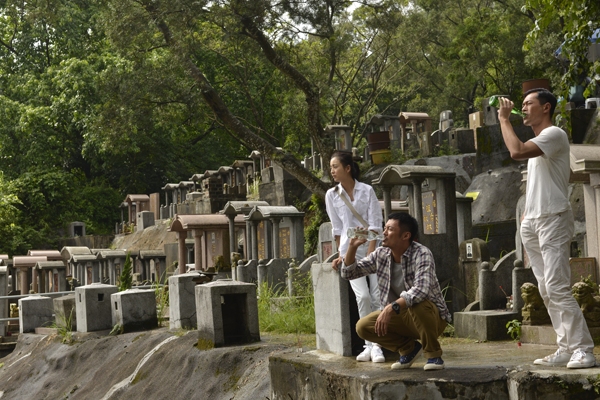
Wild City (Ringo Lam, 2015)

wildcitymovie

After more than a decade of semi-retirement, legendary director Ringo Lam returns to the big screen with a thriller that hearkens back to the golden age of the Hong Kong crime film. Lam made his mark in the late 80s and early 90s with a series of action films, gritty, ultra-violent and grounded in a darkly pessimistic view of human nature and Hong Kong’s future, movies where everything seemed to be, as many of their titles indicate, ‘on fire’. Rejecting the aspiration toward transcendence of John Woo, or the narrative and thematic ambition of Tsui Hark, Lam’s films best captured the nihilistic urge for chaos at the heart of the Hong Kong New Wave. That particular moment, an apocalyptic age when the prospect of the Handover to the Mainland hung over every aspect of Hong Kong life, had dissipated by the late 90s, when Lam had joined Woo and Tsui in scraping together Hollywood products beneath their talent level (as fine as many of their American films are, and many of them are quite good, I don’t think this point is debatable). When he tired of that, he walked away to spend more time with his family. His only film since the 2003 direct-to-video Van Damme film In Hell was one third of the omnibus film Triangle made with Tsui and Johnnie To in 2007.

Continue reading Wild City (Ringo Lam, 2015)”

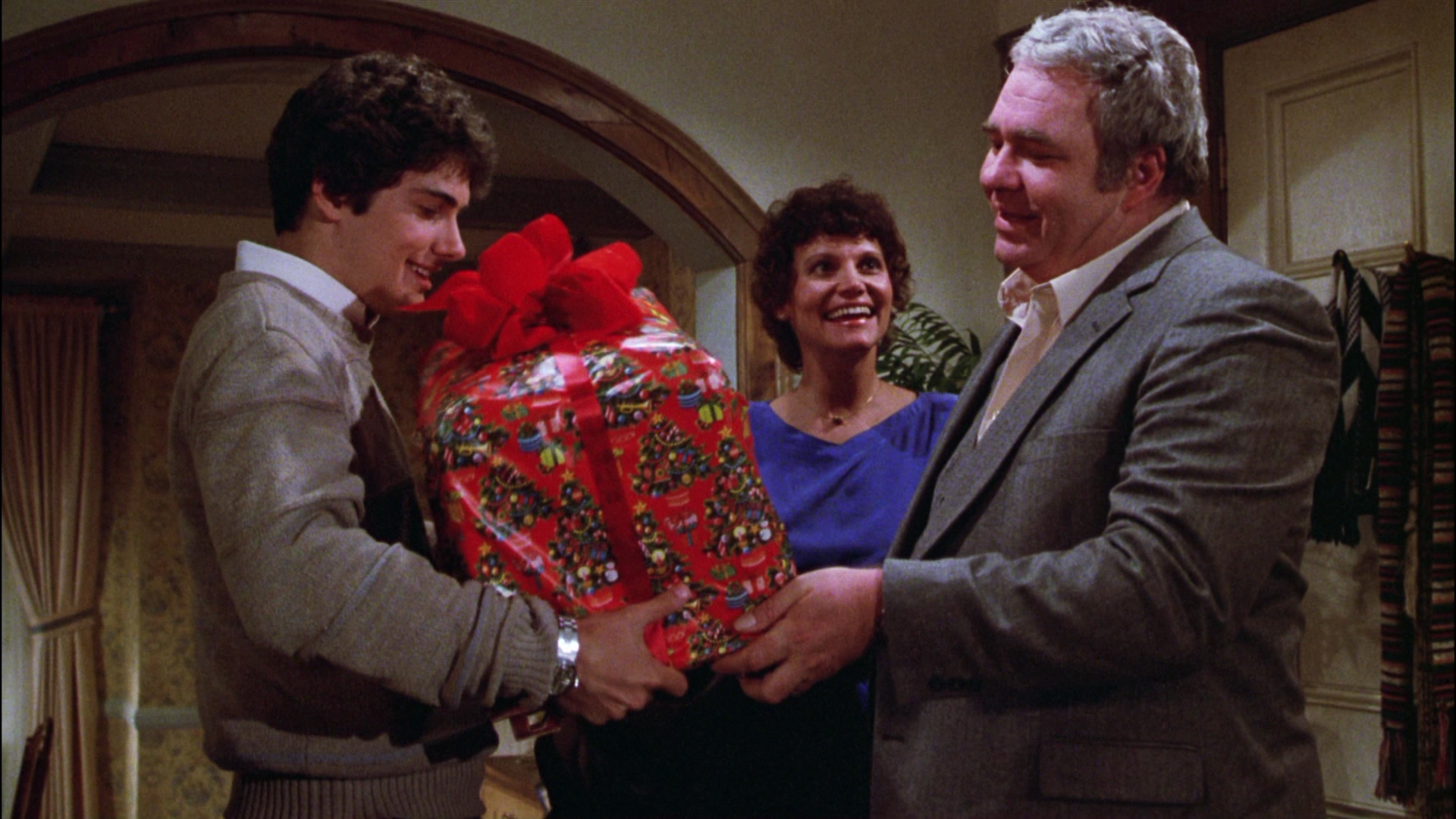
Gremlins (Joe Dante, 1984)

gremlins present

It all started with a little trouble in Chinatown. There a young boy said, “I told you everything was real”. That’s important. Christmas is closing in and a kind-hearted father is looking for the perfect gift for his son. In a basement junk shop he spies a creature that sounds like Howie Mandel. Like any sane person he feels compelled to adopt this “mogwai”. Then all hell breaks loose. Tying together strands of The Twilight Zone, the boomer ascendency, and the dominant milieu of executive producer Steven Spielberg, Joe Dante’s Gremlins transcends them all to become a masterpiece of mayhem.

Continue reading Gremlins (Joe Dante, 1984)”

Tangerine (Sean Baker, 2015)

girls on street walking

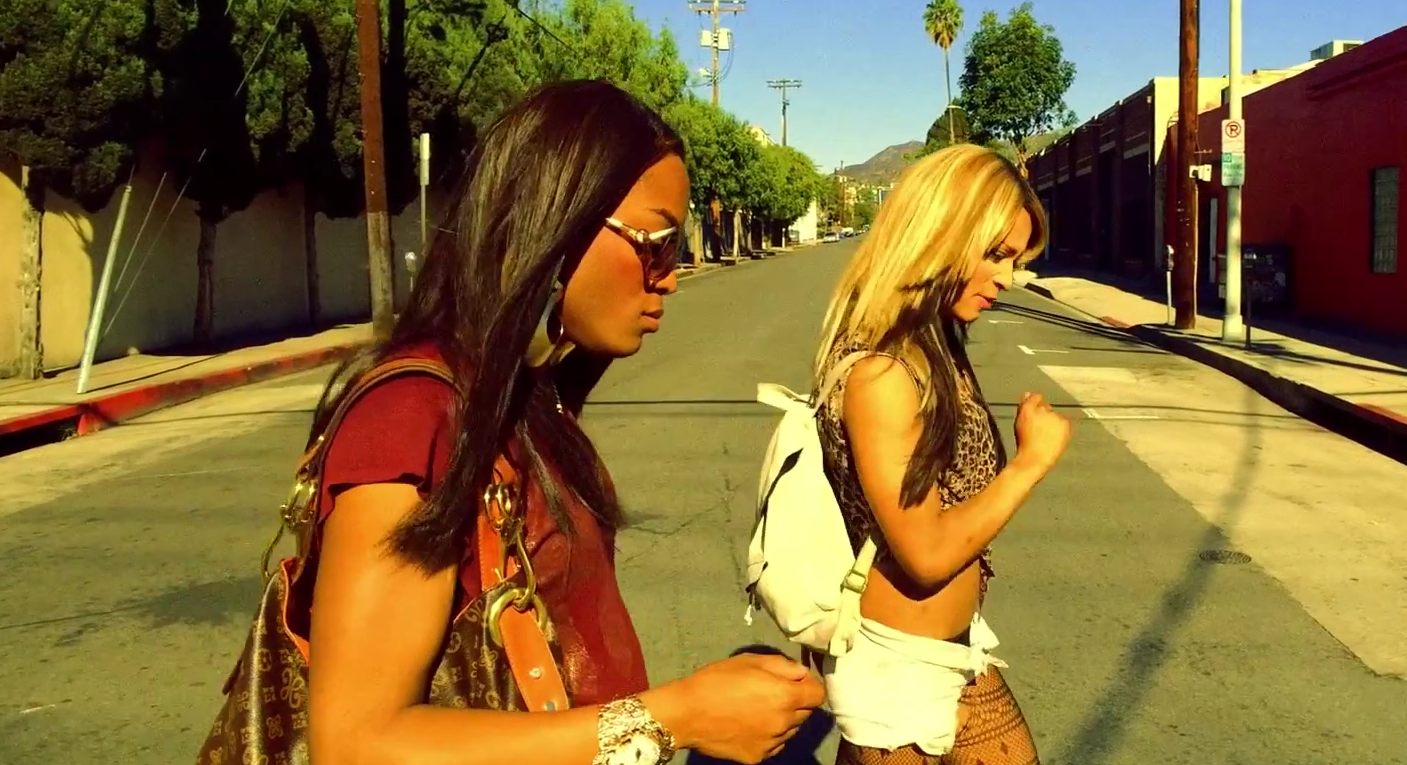
It is Christmas Eve in Hollywood, a day in Tinseltown when everything is even more brightly showy than usual. It’s a town of glitz and dreams and fantasies, where stars soar higher than high and multitudes of others scramble below to make a living in those stars’ dusty grit. A few golden names will get a terrazzo or brass star on Hollywood Boulevard, an aspirational spot on the ground that is, perhaps ironically, open to be trod on by anyone in need of a sidewalk. And there is something of that sly irony in Sean Baker’s newest film, Tangerine, for Baker is a good deal more interested in those doing the treading on those stars, those who walk on and work in the streets, than in those who have their names emblazoned into them. And indeed, as the film opens – a shot of two pairs of hands clasping and exchanging a doughnut over a table at Donut Time, a place that couldn’t be farther from the showiness of the Walk of Fame – I am a good deal less curious about the stars whose names I might recognize than I am about to whom those hands on the table belong.

The hands are Sin-Dee’s (Kitana Kiki Rodriguez) and Alexandra’s (Mya Taylor), two friends, two transgender sex workers, whose journey, set all in one day in the Los Angeles streets and in the day-to-day haunts of those who make a living on the streets, invites us to question what we know, or what we think we know, about Los Angeles and those who live in it. Is the city, and by extension its inhabitants, as one character in the film puts it, a “beautifully wrapped lie”? Continue reading Tangerine (Sean Baker, 2015)”

Friday July 24th – Thursday July 30th

Featured Film:

The Apu Trilogy at the SIFF Uptown

Following a sold out run at this year’s Seattle International Film Festival, the very fine digital restoration of Satyajit Ray’s Apu Trilogy plays this week at the SIFF Uptown. Released between 1955 and 1959 and comprising the great Bengali director’s first, second and fifth feature films (Pather Panchali, Aparajito and The World of Apu, respectively), adapting two novels by Bibhutibhushan Bandyopadhyay. Warm and naturalistic in style, evincing the influence of both Jean Renoir and the Italian Neo-Realists, Ray’s films were among the first (and remain some of the few) Indian films to crossover into the European/North American canon.
Sign up for our newsletter and get the best of Seattle arthouse and repertory programming in your Inbox every Friday morning.

Playing This Week:

Ark Lodge Cinemas:

The Muppet Movie (James Frawley, 1979) Weds Morning Only

Central Cinema:

Willy Wonka and the Chocolate Factory (Mel Stuart, 1971) Fri-Weds
Pulp Fiction (Quentin Tarantino, 1994) Fri-Weds

Crest Cinema Center:

When Marnie was There (Hiromasa Yonebayashi) Fri-Thurs Early shows dubbed, evening shows subtitled – check showtimes Our Review
Far from the Madding Crowd (Thomas Vinterberg) Fri-Thurs

SIFF Cinema Egyptian:

Tangerine (Sean Baker) Fri-Thurs Our Review 

AMC Loews Factoria:

Bajrangi Bhaijaan (Kabir Khan) Fri-Tues

Century Federal Way:

Baahubali (S.S.Rajamouli) Fri-Tues Our Review (Hindi)
Gremlins (Joe Dante, 1984) Sun & Weds Only

Grand Cinema:

Me and Earl and the Dying Girl (Alfonso Gomez-Rejon) Fri-Thurs Our Review 
Testament of Youth (James Kent) Fri-Thurs
Charlie’s Country (Rolf de Heer, 2013) Tues Only

Grand Illusion Cinema:

A Hard Day (Kim Seonghun) Fri-Thurs Our Review 
VHS Über Alles presents Demonwarp (Emmett Alson, 1988) Sat Only VHS
EXcinema presents The Clearing (Various) Tues Only

Landmark Guild 45th:

 Testament of Youth (James Kent) Fri-Thurs

Cinemark Lincoln Square:

Baahubali (S.S.Rajamouli) Fri-Tues Our Review (Telugu)
Bajrangi Bhaijaan (Kabir Khan) Fri-Tues
Gremlins (Joe Dante, 1984) Sun & Weds Only Our Review

Regal Meridian:

Only You (Zhang Hao) Fri-Thurs
Bajrangi Bhaijaan (Kabir Khan) Fri-Thurs

Northwest Film Forum:

A Pigeon Sat on a Branch Reflecting on Existence (Roy Andersson) Fri-Mon Our Review
Do I Sound Gay? (David Thorpe) Fri-Thurs Our Review
Heaven Adores You (Nickolas Rossi) Sun Only
Our Lives in Google (Adam Sekuler) Mon Only Filmmaker in Attendance, Live Performance
Cotton Road (Laura Kissel) Tues Only Filmmaker in Attendance

AMC Pacific Place:

Jian Bing Man (Dong Chengpeng) Fri-Tues

Regal Parkway Plaza:

Bajrangi Bhaijaan (Kabir Khan) Fri-Tues
Testament of Youth (James Kent) Fri-Tues

Scarecrow Video Screening Lounge:

Castle in the Sky (Hayao Miyazaki, 1986) Sun Only
Chris Marker Group Mon Only
Marnie (Alfred Hitchcock, 1964) Tues Only
Tarzana (Steve De Jarnatt, 1972) Thurs Only Filmmaker in Attendance

Seattle Art Museum:

The Palm Beach Story (Preston Sturges, 1942) Thurs Only 35mm

Landmark Seven Gables:

Me and Earl and the Dying Girl (Alfonso Gomez-Rejon) Fri-Thurs Our Review

SIFF Film Center:

3 1/2 Minutes, Ten Bullets (Marc Silver) Fri-Thurs

Sundance Cinemas Seattle:

Cartel Land (Matthew Heineman) Fri-Thurs
The Third Man (Carol Reed, 1949) Fri-Thurs
Unexpected (Kris Swanberg) Fri-Thurs Our Review

SIFF Cinema Uptown:

The Apu Trilogy (Satyajit Ray, 1955-1959) Fri-Thurs
Gemma Bovery (Anne Fontaine) Fri-Thurs Our Review
Cartel Land (Matthew Heineman) Fri-Thurs

Varsity Theatre:

Caffeinated (Hanh Nguyen & Vishal Solanki) Fri-Sun Only
Shadows (John Cassavetes, 1959) Tues Only

A Hard Day (Kim Seonghun, 2014) & Unexpected (Kris Swanberg, 2015)

Opening this week on Seattle Screens are two fine features that played at this past Seattle International Film Festival. I reviewed them briefly when they played then, and here are some expanded versions of those short reviews.
maxresdefault

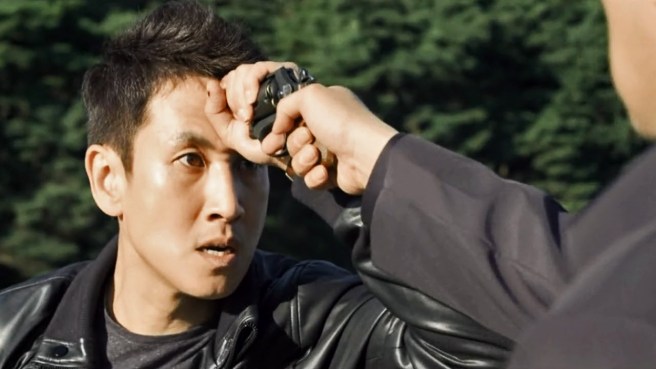
A Hard Day – Somewhere the dominant strain of the crime movie genre morphed from Woovian tales of moral codes in unjust societies (ala A Better Tomorrow) to Rube Goldberg narratives driven by slapstick escalations of violence. I suspect it was somewhere around the time of Infernal Affairs, as Alan Mak and Andrew Lau’s crime thriller adopted the speed and rhythm of Johnnie To’s Milkyway thrillers, matched it with Lau’s bright, digitally slick blues, grays and blacks, and neglected to add To and his vast team of writers’ depth of purpose to their ingeniously wicked plot schematics. Thus suspense and drama comes not from characters or ideals, but from complications in plot, driving the protagonists into ever more desperate and implausible actions and unlikely camera angles. A world of shifting, impenetrable surfaces, as superficial as it is mutable. Laurel & Hardy, Where the Sidewalk Ends and The Big Clock are the reference points for Kim Seonghun’s thriller, about a cop who accidentally runs over a man on an empty street at night and goes to great lengths to cover it up. And when it turns out that he wasn’t alone on that street, and that maybe the guy he thought he killed was already dead, he finds himself lost in an ever escalating spiral of darkly comic suspense sequences, moving from mere moral corruption to unbelievably, but no less thrillingly, wild cacophonies of destruction.

A Hard Day opens Friday, July 24 at the Grand Illusion.

Unexpected-22

Unexpected – The second-best Cobie Smulders film of the year so far, falling well behind Andrew Bujalski’s romantic comedy Results. Director Kris Swanberg’s story is about a high school teacher (Smulders) who becomes pregnant and bonds with one of her students, an African-American girl with dreams of going to college and who is just-as-surprisingly knocked-up. Swanberg is mostly successful at navigating a minefield of problematicism, as the two leads are developed and performed with just enough nuance that neither ends up as the source of lesson-learning for the other. The dangers in such a scenario should be obvious – this is as eyeroll-inducing a premise for an American indie film as I’ve seen in a while (and that includes Me and Earl and the Dying Girl). Still, despite exceeding expectations, there isn’t enough depth to the characters (everyone outside the two leads is broadly painted and either inexplicable or pointless) to overcome cheap plot contrivances (a key point in the film requires both women to demonstrate a complete lack of understanding of the geography of Chicago-area colleges, which is pretty much unforgivable). It’s an OK movie with a couple of fine performances. Its success lies in eliciting a shrug rather than a wince.

Unexpected open Friday July 24 at the Sundance Cinemas.

Do I Sound Gay? (David Thorpe, 2014)

do-i-sound-gay

Director David Thorpe’s genial, absorbing documentary Do I Sound Gay? delves into the personal and political implications of the stereotypical “gay voice,” using the director’s worries about his own voice as a launch pad into questions of shame, desire, masculinity, and self-acceptance. In it, Thorpe strikes a fine balance between telling a personal story and exploring the topic analytically as he lets us eavesdrop on funny, thoughtful conversations between him and his friends, turns the lens on his efforts to change his own voice, interviews academics and speech therapists, solicits the insights of gay celebrities, and presents some revealing (and occasionally dismaying) clips from television and cinema from the last hundred years. While not quite as probing as I would have liked it to be, the film nevertheless is a smart and appealing look at an under-examined facet of gay life and culture.

Continue reading Do I Sound Gay? (David Thorpe, 2014)”

Friday July 17th – Thursday July 23rd

Featured Film:

Rebels of the Neon God at the SIFF Film Center

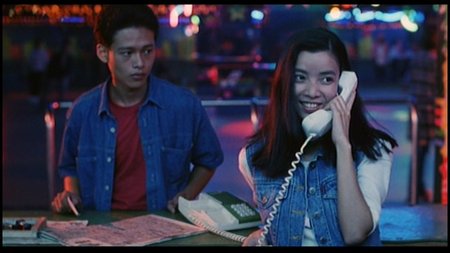
The 1992 debut film from singular Taiwanese director Tsai Ming-liang opens in a newly restored version at SIFF this week. It stars Lee Kang-sheng as Hsiao-kang, a lonely young man who lives with his parents and his haunted by water and the films of François Truffaut. We’ll see his story unfold in film after film for the next two decades, but this is where it all starts. In the precisely static long-takes that are the hallmark of his minimalist style, Tsai tracks Hsiao-kang’s growing obsession with some local teenaged toughs through the arcades, malls and apartment complexes of Taipei. Our Review.
Sign up for our newsletter and get the best of Seattle arthouse and repertory programming in your Inbox every Friday morning.

Playing This Week:

Ark Lodge Cinemas:

A Cat in Paris (Jean-Loup Felicioli & Alain Gagnol, 2010) Weds Only

Central Cinema:

Breakfast at Tiffany’s (Blake Edwards, 1961) Fri-Tues
La femme Nikita (Luc Besson, 1990) Fri-Tues

Crest Cinema Center:

The Wolfpack (Crystal Moselle) Fri-Thurs Our Review

SIFF Cinema Egyptian:

When Marnie was There (Hiromasa Yonebayashi) Fri-Thurs Early shows dubbed, evening shows subtitled – check showtimes Our Review 
Back to the Future (Robert Zemeckis, 1985) Fri Midnight Only
The Rocky Horror Picture Show (Jim Sharman, 1975) Sat Midnight Only

AMC Loews Factoria 8:

Bajrangi Bhaijaan (Kabir Khan) Fri-Thurs

Century Federal Way:

Double Indemnity (Billy Wilder, 1944) Sun, Mon & Weds Only

Grand Cinema:

Me and Earl and the Dying Girl (Alfonso Gomez-Rejon) Fri-Thurs Our Review 
Testament of Youth (James Kent) Fri-Thurs
Emptying the Skies (Douglas & Roger Cass) Tues Only

Grand Illusion Cinema:

Stung (Bennie Diez) Fri-Thurs

Landmark Guild 45th:

Me and Earl and the Dying Girl (Alfonso Gomez-Rejon) Fri-Thurs Our Review 
Testament of Youth (James Kent) Fri-Thurs

Cinemark Lincoln Square:

Baahubali (S.S.Rajamouli) Fri-Thurs Our Review
Bajrangi Bhaijaan (Kabir Khan) Fri-Thurs
Double Indemnity (Billy Wilder, 1944) Sun, Mon & Weds Only

Regal Meridian:

Testament of Youth (James Kent) Fri-Thurs
Bajrangi Bhaijaan (Kabir Khan) Fri-Thurs

Northwest Film Forum:

A Pigeon Sat on a Branch Reflecting on Existence (Roy Andersson) Fri-Thurs Our Review
Boom! (Joseph Losey, 1968) Sat Only 35mm with Intro
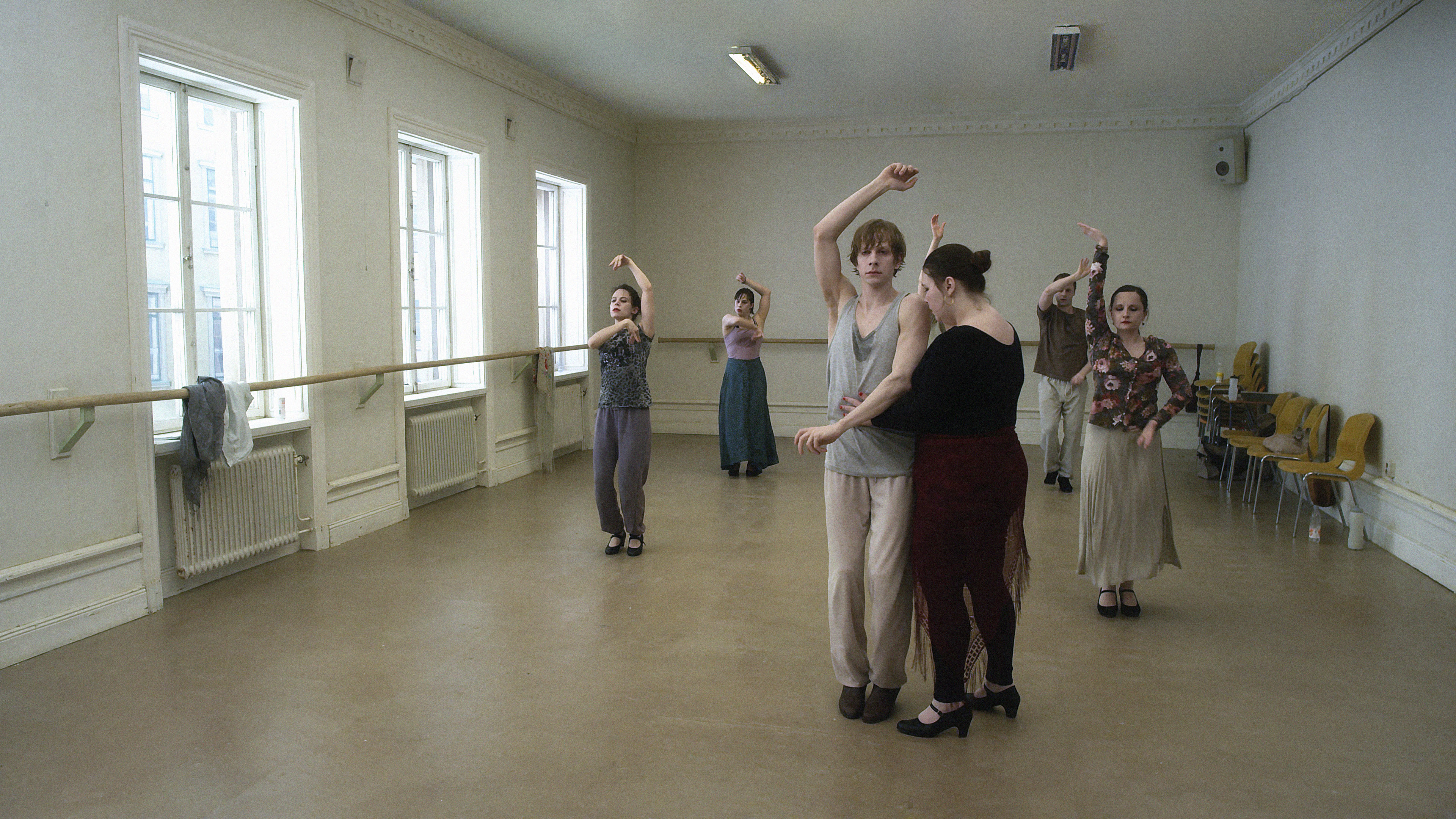
RADAR: Exchanges In Dance Film Frequencies Sun Only
Polk County Pot Plane (Jim West, 1977) Weds Only VHS

AMC Loews Oak Tree:

Me and Earl and the Dying Girl (Alfonso Gomez-Rejon) Fri-Thurs Our Review

AMC Pacific Place:

Forever Young (He Jiong) Fri-Thurs

Regal Parkway Plaza:

Bajrangi Bhaijaan (Kabir Khan) Fri-Thurs
Breakup Playlist (Dan Villegas) Fri-Thurs
Testament of Youth (James Kent) Fri-Thurs

Scarecrow Video Screening Lounge:

Stardust (Mathew Vaughn, 2007) Fri Only
Scarecrows (William Wesley, 1988) Sat Only
Born in Flames (Lizzie Borden, 1983) Sun Only
My Man Godfrey (Gregory LaCava, 1936) Mon Only
Godzilla vs. the Smog Monster (Yoshimitsu Banno, 1971) Tues Only
Juggernaut (Richard Lester, 1974) Weds Only
Girlfriends (Claudia Weill, 1978) Thurs Only

Seattle Art Museum:

Lost Highway (David Lynch, 1997) Fri Only 35mm Plus Shorts
Sullivan’s Travels (Preston Sturges, 1942) Thurs Only 35mm

Landmark Seven Gables:

Me and Earl and the Dying Girl (Alfonso Gomez-Rejon) Fri-Thurs Our Review

SIFF Film Center:

Rebels of the Neon God (Tsai Ming-liang, 1992) Fri-Tues, Thurs Our Review
1001 Grams (Bent Hamer) Fri-Sun Only 
3 1/2 Minutes, Ten Bullets (Marc Silver) Mon Only
Shake the Dust (Adam Sjöberg) Thurs Only

Sundance Cinemas Seattle:

Cartel Land (Matthew Heineman) Fri-Thurs
The Third Man (Carol Reed, 1949) Fri-Thurs
A Murder in the Park (Christopher S. Rech) Fri-Thurs
Lila & Eve (Charles Stone III) Fri-Thurs

SIFF Cinema Uptown:

Me and Earl and the Dying Girl (Alfonso Gomez-Rejon) Fri-Thurs Our Review 
Gemma Bovery (Anne Fontaine) Fri-Thurs Our Review
Cartel Land (Matthew Heineman) Fri-Thurs
Ardor (Pablo Fendrik) Fri-Thurs
1001 Grams (Bent Hamer) Mon-Thurs Only

Varsity Theatre:

Double Indemnity (Billy Wilder, 1944) Sun & Mon Only
Belle de jour (Luis Buñuel, 1967) Tues Only Our Podcast

A Pigeon Sat on a Branch Reflecting on Existence (Roy Andersson, 2014)

pigeon dance

Seven years after You, the Living, which itself came seven years after Songs from the Second Floor, the revered Swedish director Roy Andersson delivers the final film in his “Living Trilogy”, A Pigeon Sat on a Branch Reflecting on Existence. For those familiar with either of its forebears, Pigeon is more of the same. It is 100 minutes of deftly composed black comic vignettes, each detailing an indignity upon a loosely connected group of people. Critics like to relish in the depictions of capitalistic foibles and other vaguely political themes. Andersson himself claims the film was inspired by a 16th century painting. One’s enjoyment of A Pigeon Sat on a Branch Reflecting on Existence may depend on how much you are willing to believe that.

Continue reading A Pigeon Sat on a Branch Reflecting on Existence (Roy Andersson, 2014)”

Two Romantic Comedies: Trainwreck (Judd Apatow, 2015) and The Lady Eve (Preston Sturges, 1941)

trainwreck-judd-apatow-amy-schumer

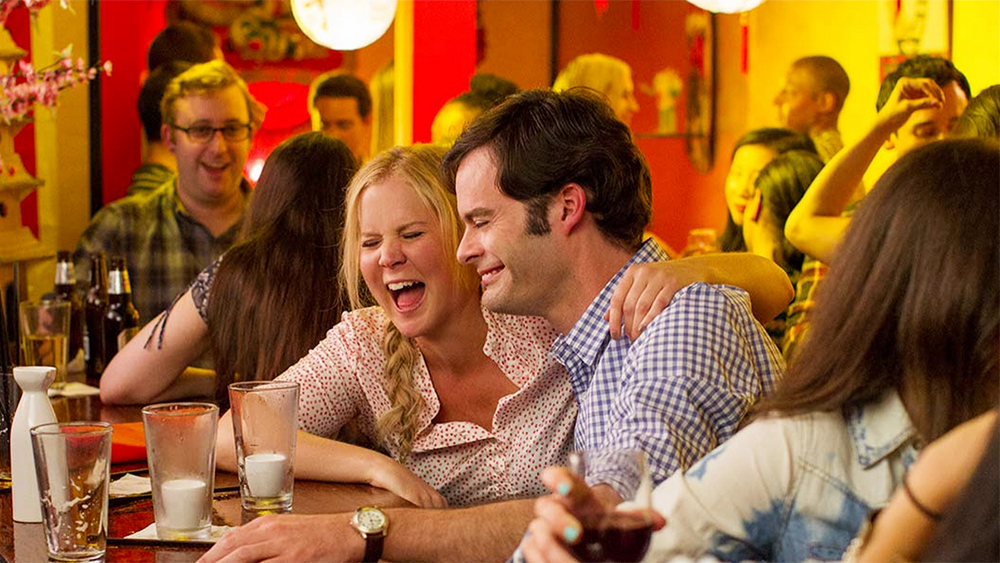
The latest release from the Judd Apatow empire opens tomorrow here in Seattle, written by and starring comedian Amy Schumer and directed by Apatow himself. Schumer plays a magazine writer with commitment issues and a fondness for wine and weed. Much to her surprise, she falls for a dweeby sports surgeon (Bill Hader) and must choose between growing up and reforming her ways or losing a swell guy. The film thus deftly flips the gender roles of a typical Hollywood romantic comedy, as it’s been practiced in film and television of the past 30 years or so. That reversal is the motor of the funniest parts of the film: Schumer’s assertiveness with her boyfriends (an agonizing attempt at dirty talk from John Cena) and Hader’s heartfelt exchanges with his athlete friends (LeBron James and Amar’e Stoudemire). Filled with the surreal-improv style comedy from the supporting players that defines the Apatow brand (it’s no surprise that the clear winner this time is Tilda Swinton), the film is dragged down by the shambolic, disjunctive approach to narrative that has also come to define Apatow’s work.

Continue reading “Two Romantic Comedies: Trainwreck (Judd Apatow, 2015) and The Lady Eve (Preston Sturges, 1941)”

Baahubali (SS Rajamouli, 2015)

baahubali 4

One of the biggest movie events of the year happened this past weekend, but you wouldn’t know about it if you read any of the biggest English language film publications around. Baahubali: The Beginning, the latest film from SS Rajamouli, was just released. The New York Times didn’t deem it worthy of a review. Variety publishes stories of its box office success and gigantic marketing push, but can’t throw a freelancer at it. A cursory search reveals a couple of reviews from English-language publications at best. It’s a rather sad state of affairs for one of the modern cinema’s best mainstream filmmakers.

SS Rajamouli has, over the last few years, steadily upped his scope and ambition. No longer content to tuck his most lavish and improbable images into narrative side trips or flashbacks (Yamadonga‘s trip to hell, Magadheera‘s flashback structure), Rajamouli in his last two films has focused his attention on utilizing his considerable gifts to giving shape to impossible images. His preferred tool is the CGI image, and he’s possibly one of the only filmmakers currently working not bound to traditional ideas of realism – for Rajamouli, each image is fantastic. So Eega, his fly revenge film, becomes not just about its technological advances (Rajamouli is proud of his special effects and wants to show them off – his Zemeckis or Cameron side, if you will), but about how the technology can enhance the film’s devilish sense of humor (the film shares DNA with Tex Avery and Joe Dante all while successfully invoking and playing around with the idea of the Telugu film hero). Baahubali successfully creates a world and aims for a sense of realism in its battle scenes, but will often drop an image of such iconic and mythic stature that any thought that realism is the end game here is quickly dispelled. Rajamouli demands more.

Continue reading Baahubali (SS Rajamouli, 2015)”